
Thromboembolic risk and chronic venous disease
Dr. Giovanni De Pasquale, as a clinical angiologist, deals with the prevention, diagnosis and therapy of deep vein thrombosis. Extremely insidious pathology which can cause dramatic cardiovascular events such as pulmonary embolism. Discover how a timely diagnosis and adequate treatment can reduce the risk of fatal events and prevent disabling complications such as post thrombotic syndrome.
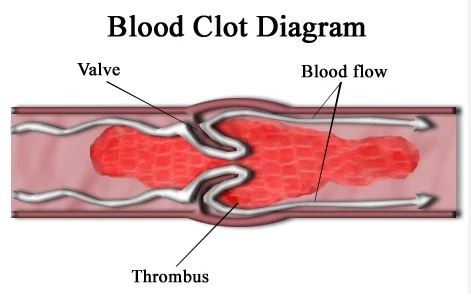
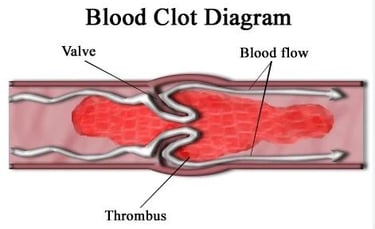
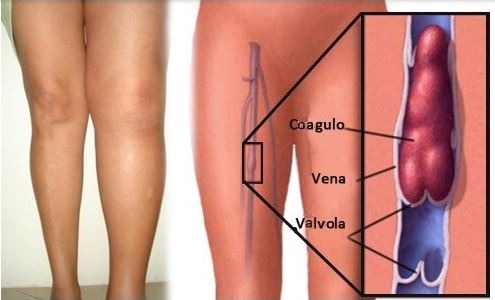
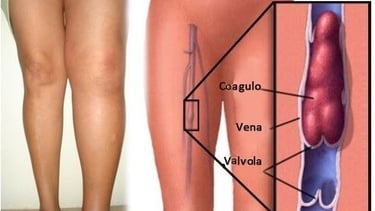
Deep vein thrombosis (DVT) is the formation of a blood clot within the deep veins, commonly in the lower extremities, which impedes blood flow. This phenomenon occurs for various reasons, often linked to venous stasis, but also to genetic causes such as hypercoagulable states (Thrombophilias) and endothelial damage (the endothelium and the layer of cells that line the internal wall of the veins, the one in contact with the blood flow).Risk factors include prolonged immobilization (such as after surgery or long journeys), trauma, pregnancy, obesity, smoking and genetic predispositions.
Incidence and Prevalence in Italy
In Italy, the incidence of DVT is estimated between 1 and 2 cases per 1000 inhabitants per year, with a higher prevalence among elderly people and those with risk factors. The prevalence remains significant given the high frequency of predisposing conditions.
Risk of Pulmonary Embolism
The main risk of DVT is pulmonary embolism (PE), which occurs when a portion of the clot breaks off (embolizes) and reaches the lungs, blocking pulmonary blood flow. PE can be fatal, especially if not diagnosed promptly, and represents a major cause of mortality in DVT complications.
Post-Thrombotic Syndrome (PTS)
Post-thrombotic syndrome is a common complication of DVT. It manifests itself with swelling, chronic pain, skin hyperpigmentation, up to venous ulcers. It is caused by residual valve damage in the thrombosed vein, which impairs venous return and increases venous pressure in the lower extremities.
Prevention
Prevention of DVT is essential, especially in patients at risk.
They are fundamental:
Early mobilization in post-operative patients.
Adequate hydration to reduce blood viscosity.
Use of graduated compression elastic stockings in patients at risk and in people facing prolonged periods of immobility.
Current Therapies
Oral Anticoagulants: Anticoagulants are the first line of therapy in the management of DVT and the prevention of PE. Direct oral anticoagulants (DOACs), such as apixaban, rivaroxaban and dabigatran, are effective and practical as they do not require frequent monitoring. Vitamin K antagonists (such as warfarin) remain used in some specific cases, especially in patients with prosthetic valves or renal failure.
Graduated Compression Elastic Stockings: Recommended to improve venous return and reduce the risk of post-thrombotic syndrome. They must be worn daily, with variable compression based on the severity of the condition (from 15-20 mmHg to 30-40 mmHg in advanced cases).
Timely treatment and prevention are key to reducing the risk of long-term complications and improving patients' quality of life.
Link Utili
Linked-
Contatti
Informazioni
info@giovannidepasquale.it
+39 3337798373
© 2024. All rights reserved.